
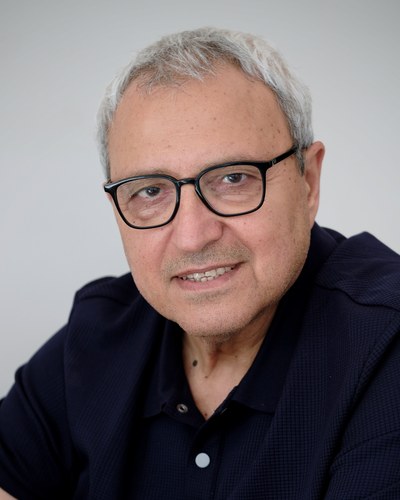
Serdar Gözler
Associate Professor, DDS
Atlas University, Istanbul, Turkey
TURKIYE
Session 10 · DAY 1 (Nov. 5, 2026) · 16:30–17:00 CET
Immediate Effects of Dry Needling on Pain and Masticatory Muscle Activity in Patients with Myofascial Temporomandibular Disorders: A Randomized Controlled Trial
Abstract
Myofascial temporomandibular disorders (TMDs) are among the most common causes of chronic orofacial pain. Although dry needling (DN) is increasingly used to manage myofascial trigger points, evidence regarding its immediate physiological and clinical effects remains limited. This participant- and outcome-assessor-blinded randomized controlled trial evaluated the immediate effects of a single DN session in patients diagnosed with myofascial TMD.
Forty-four participants were randomly assigned to either a dry needling group or a sham needling group, with forty completing the study, and DN was applied to the masseter and anterior temporalis muscles. Pain intensity was assessed using a visual analogue scale (VAS), while bilateral surface electromyographic (sEMG) activity of the masseter and anterior temporalis muscles was recorded before treatment and 10 minutes after the intervention.
Participants receiving DN demonstrated a significant immediate reduction in pain intensity compared with the sham group (p < 0.001). Although an initial analysis suggested reduced resting activity of the left anterior temporalis muscle, no electromyographic differences remained statistically significant after correction for multiple comparisons.
No serious adverse events occurred; only minor transient bleeding and mild post-needling soreness were observed. A single session of dry needling therefore provides clinically meaningful immediate pain relief in patients with myofascial TMD without producing consistent short-term changes in masticatory muscle electrical activity. These findings suggest that the early benefits of dry needling are primarily related to pain modulation rather than immediate neuromuscular adaptation.
Further studies with repeated treatment sessions and longer follow-up are warranted.
Learning Objectives
- To explain the rationale for using dry needling in the management of myofascial temporomandibular disorders.
- To evaluate the immediate clinical and electromyographic effects of dry needling.
- To discuss the role of dry needling within evidence-based conservative management of TMD.
Biography
Dr. Serdar Gözler is an Associate Professor in the Department of Prosthodontics at Istanbul Atlas University Faculty of Dentistry, Türkiye. His research focuses on temporomandibular disorders, digital occlusion analysis, surface electromyography, neuromuscular dentistry, oral rehabilitation, and minimally invasive treatment approaches. He has authored numerous scientific publications and serves as a reviewer for several international peer-reviewed journals.
Dr. Gözler is actively involved in interdisciplinary research integrating dentistry, physiotherapy, and digital technologies to improve the diagnosis and management of orofacial pain and occlusal disorders. He is also the President of the AICOT 2026 Congress and is committed to fostering international scientific collaboration and education in biological and neuromuscular dentistry.