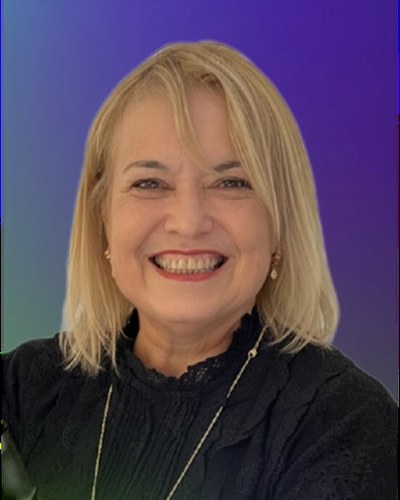
Myriam L. Carballo
Prof, DDS, MICCMO
Inter-American Open University, Buenos Aires, Argentina
ARGENTINA
Session 19 · DAY 2 (Nov. 6, 2026) · 12:15–12:45 CET
Neuromuscular Orthodontics: Advanced Clinical Strategies for Patients with Craniomandibular Dysfunction & TMJ Pathology
Abstract
This lecture is designed to emphasize the importance of establishing an accurate diagnosis in patients presenting with cranio-cervical-mandibular dysfunction and temporomandibular joint (TMJ) disorders, prior to initiating orthodontic treatment, whether conventional fixed orthodontics or clear aligner therapy.
The objective is to achieve a physiologic neuromuscular occlusion that is compatible with a relaxed neuromuscular system and non-compressed temporomandibular joints.
One of the most important goals is the correction of vertical and anteroposterior discrepancies that develop because of habitual occlusion patterns resulting from adaptative responses within the central nervous system (CNS).
This individualized approach allows for differential vertical control and facilitates the correction of asymmetries, while preserving the therapeutic mandibular position established through the neuromuscular protocol.
A comprehensive functional evaluation will be performed, including the assessment of mandibular dynamics, digital measurement of condylar and articular trajectories, and the analysis of the physiologic characteristics of the patient’s habitual occlusion through comparison with the neuromuscular occlusal record.
Once the new therapeutic neuromuscular mandibular position has been determined, it will be maintained throughout orthodontic treatment by means of NM repositioning appliance (NM orthosis) with conventional orthodontics or bonded, included and fused table-tops designs.
NM table-tops integrated into clear aligners represent a hybrid therapeutic strategy that combines functional stabilization with orthodontic correction.
Learning Objectives
- Emphasize the importance of establishing an accurate diagnosis in patients presenting with Cranio-Cervical-Mandibular Dysfunction and Temporomandibular Joint Disorders, prior to initiate orthodontic treatment, conventional orthodontics or clear aligner therapy.
- Understanding the importance of reprogramming a new physiologic NM occlusion compatible with a relaxed neuromuscular system and non-compressed temporomandibular joints.
- Understanding the importance of maintaining this new reprogrammed mandibular position throughout the entire orthodontic treatment through the use of NM repositioning splints in combination with conventional orthodontics or the use of NM table -tops in therapy with thermoformed or shape-memory printed Aligners.
Biography
Prof. Dra. Myriam Carballo, DDS, MICCMO, is a specialist in Orthodontics and Functional Orthopedics of the Maxillae, holding a Master’s Degree in Craniomandibular Dysfunction and Orofacial Pain (ICCMO). A Former International President of ICCMO and Former Associate Professor at the Interamerican Open University (UAI), she directs the UAI/ICCMO Diploma Program in Craniomandibular Dysfunction, TMJ Pathology, Orofacial Pain, Prosthodontics and Orthodontics, and the UAI postgraduate program in Digital Orthodontics–In-Office Aligners, both built on a neuromuscular, interdisciplinary approach focused on TMJ pathology.
Specialized in neuromuscular orthodontics, she lectures internationally on craniomandibular dysfunction and orofacial pain from a neuromuscular perspective.