
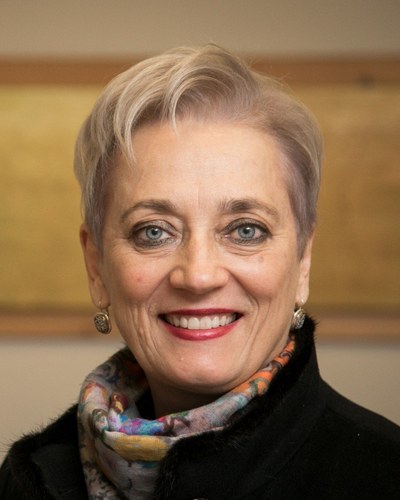
Alina Pūrienė
Vilnius University, Vilnius, Lithuania
LITHUANIA
Session 39 · DAY 3 (Nov. 7, 2026) · 17:00–17:30 CET
Sustainable AI Screening: The Panoramic Radiograph as a Window to Systemic Health
Abstract
Panoramic radiography is conventionally employed for dentoalveolar diagnostics, yet each image also encompasses a peripheral corridor — carotid arteries, salivary glands, tonsils, cervical cartilages and maxillary sinus — within which soft-tissue calcifications frequently occur as incidental findings, clinically significant yet underdiagnosed.
This study introduces sustainable AI screening, a research programme of the Institute of Dentistry, Vilnius University, aiming to enable automated detection of such calcifications through deep-learning analysis of previously acquired panoramic radiographs. Deep-learning models were trained, validated and tested on cohorts of several thousand anonymized panoramic radiographs obtained through secondary use of pre-existing clinical data (Vilnius Regional Biomedical Research Ethics Committee approval), targeting carotid artery calcifications, sialoliths, tonsilloliths, triticeous and arytenoid cartilage calcifications, and maxillary antroliths.
Accuracy and F1-scores ranged between 0.80 and 0.95, commensurate with international benchmarks from panoramic and cone-beam computed tomography datasets, achieved without additional radiographic exposure, cost or environmental burden. Sustainable AI screening thereby reconceptualises the dental practitioner as a gatekeeper for systemic disease detection — a role rendered pertinent by the demographic ageing projected by the WHO — enabling timely referral to specialists after incidental findings and aligning with the FDI Vision 2030 framework for preventive, patient-centred, sustainable oral healthcare.
Upon completion, participants will be able to articulate the rationale for regarding the panoramic radiograph as a diagnostic instrument extending beyond dentoalveolar assessment, to delineate how deep-learning models trained on secondary clinical data support differential diagnosis without additional patient exposure, and to formulate a structured referral pathway for incidental radiographic findings within sustainable, patient-centred practice.
Learning Objectives
- Upon completion, participants will be able to:
- Articulate the rationale for regarding the panoramic radiograph as a diagnostic instrument extending beyond dentoalveolar assessment.
- Delineate how deep-learning models trained on secondary clinical data support differential diagnosis without additional patient exposure.
- Formulate a structured referral pathway for incidental radiographic findings within sustainable, patient-centred practice.
Biography
Dr. (HP) Alina Pūrienė is a professor at the Institute of Dentistry, Faculty of Medicine, Vilnius University, and former director of Vilnius University Hospital Žalgiris Clinic (2013–2020). A graduate of Kaunas Medical Institute, she has spent over four decades in academic dentistry, focusing on periodontal disease treatment and prevention, oral healthcare accessibility in Lithuania, and – more recently – artificial intelligence applications in radiographic diagnostics on panoramic radiographs.
Author of more than 100 scientific publications and several textbooks, she developed a model of dental care for patients with disabilities and served as President of the Lithuanian Society of Periodontology (1996–2009). A member of the International Academy of Periodontology, she actively mentors dental students and young researchers.