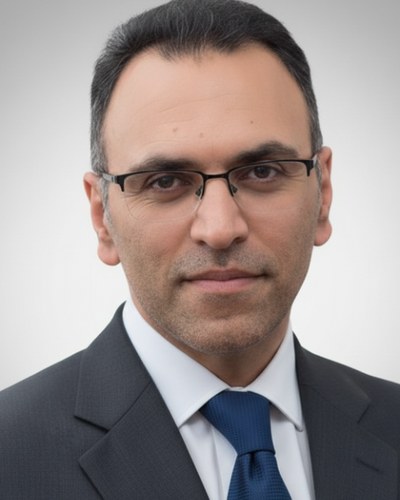
Ali Barikroo
Prof, MD, PhD
Kent State University, Kent, OH, USA
USA
Session 11 · DAY 1 (Nov. 5, 2026) · 17:00–17:30 CET
Oral Frailty, Swallowing, and Aging: Why Dentistry Matters in Dysphagia Prevention
Abstract
Oral frailty links age-related decline in oral function with broader risks for malnutrition, physical frailty, reduced quality of life, and swallowing impairment. Although dysphagia is often treated as a medical or speech-language pathology concern, many early signs are visible in the dental setting, including reduced dentition, impaired mastication, oral dryness, decreased tongue pressure, poor bolus control, and patient-reported difficulty chewing or swallowing.
This presentation will examine oral frailty as a functional bridge between dentistry and dysphagia prevention in older adults. The discussion will focus on how dental professionals can help identify patients at risk, how oral health and swallowing physiology interact, and why collaboration between dentistry and speech-language pathology is important for preventive care.
The presentation will also highlight practical screening and rehabilitation considerations, including tongue strength, swallowing frequency, xerostomia-related complaints, and home-based behavioral exercise models. By reframing oral health as a key contributor to safe and efficient swallowing, this talk will encourage a broader preventive role for dental professionals in aging care.
Learning Objectives
- Describe the relationship between oral frailty, oral hypofunction, and dysphagia risk in older adults.
- Identify oral and dental signs that may suggest increased risk for swallowing difficulty.
- Discuss opportunities for collaboration between dental professionals and speech-language pathologists in early screening, referral, and prevention.
Biography
Dr. Ali Barikroo is an Associate Professor in Speech Pathology and Audiology at Kent State University and Director of the Swallowing Physiology and Rehabilitation Research Lab. His research focuses on swallowing physiology, dysphagia rehabilitation, oral and lingual function in aging, and technology-supported approaches to swallowing assessment and treatment.
His work has examined tongue strength, ultrasound-based muscle characteristics, surface electromyography, swallowing exercise, xerostomia, and noninvasive electrical stimulation. He has contributed to interdisciplinary research connecting oral health, swallowing function, and aging, with an emphasis on early identification, prevention, and rehabilitation of swallowing disorders in older adults.